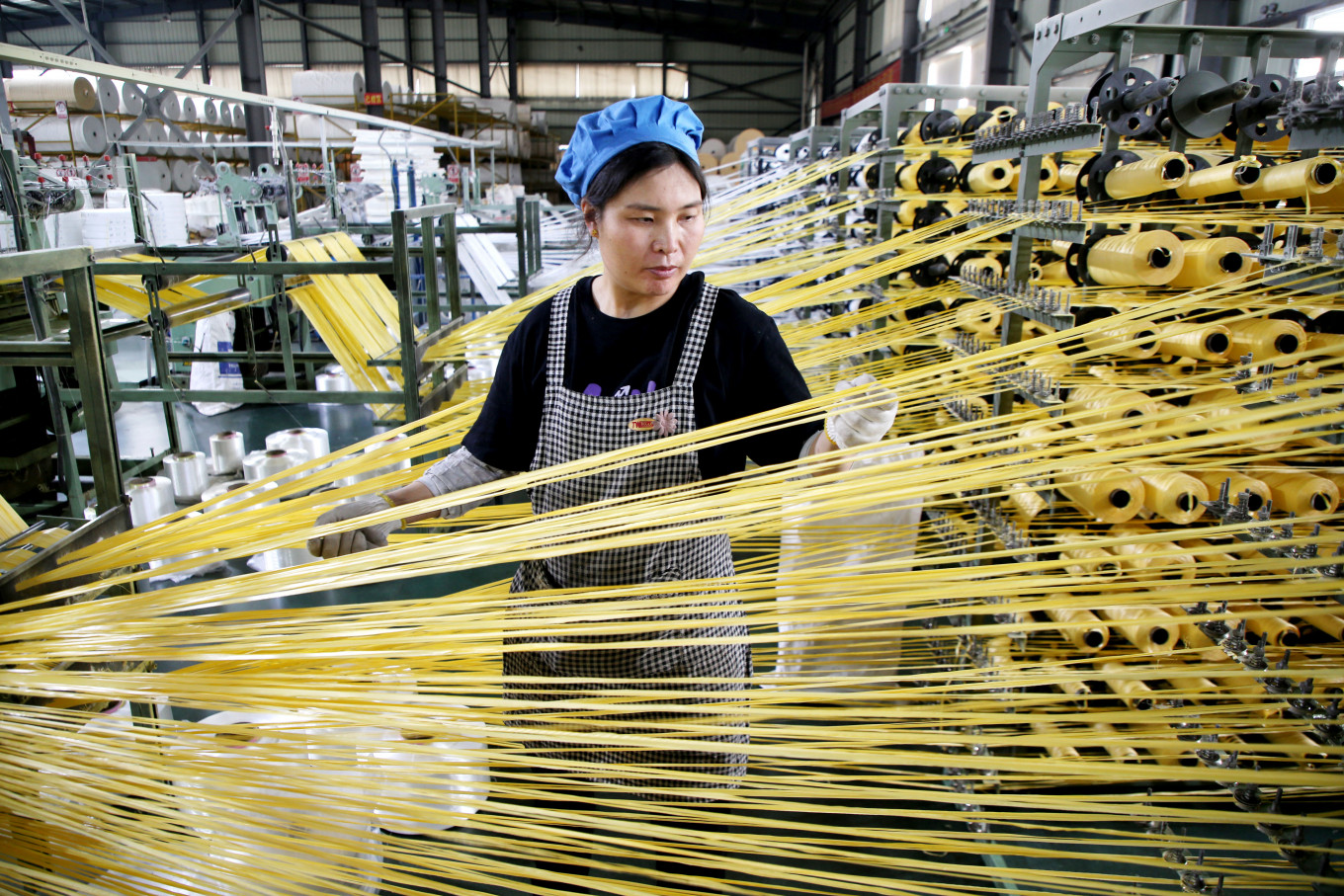
China Factory Activity Returns to Growth
China’s manufacturing sector returned to growth in September, providing a positive signal for the country’s economy after factory activity contracted during the previous two months.
The official manufacturing Purchasing Managers’ Index (PMI) rose to 50.1 in September from 49.8 in August. A reading above 50 generally indicates expansion, while a reading below 50 indicates contraction.
Production Shows Stronger Momentum
The improvement was supported by stronger factory production.
China’s official manufacturing survey showed the production sub-index rising to 51.7, while the new-orders index reached 50.5. However, export orders remained weaker, suggesting that the recovery is not uniform across all parts of the manufacturing sector.
A separate private survey also showed stronger activity. The RatingDog manufacturing PMI increased to 52.1 from 51.5, indicating a stronger expansion in the private-sector survey.
Why China’s Factory Data Matters
China is one of the world’s largest manufacturing and trading economies.
Changes in Chinese factory activity can affect global supply chains, commodity demand, shipping, technology companies, and businesses that depend on Chinese production.
A sustained improvement could therefore have implications beyond China’s domestic economy.
At the same time, one month’s data does not establish a long-term trend.
Property and Consumer Demand Remain Challenges
The manufacturing improvement comes while China’s economy continues to face other pressures.
The property sector remains weak, while domestic consumer demand has also been relatively subdued. These issues remain important for policymakers as they seek to support broader economic growth.
The manufacturing sector has benefited partly from external demand, making export performance an important factor to watch.
Trade Relations Add Another Variable
China’s economic outlook is also closely linked to international trade.
Recent improvements in U.S.-China trade relations, including an extension of a trade truce, have provided some relief for businesses. Analysts cited by AP also expect China’s trade surplus to remain very large this year.
However, global trade policies can change quickly, meaning exporters continue to face uncertainty.
Global Markets Are Watching China
The latest Chinese factory data comes at a time when global markets are dealing with higher energy prices, inflation concerns, and rising government borrowing costs.
Reuters reported that global bond markets were heading toward one of their weakest months in years, while stock markets remained comparatively resilient. Investors have also continued to focus on artificial intelligence and corporate earnings.
China’s manufacturing performance is therefore one of several economic indicators investors are watching as they assess global growth.
What Happens Next?
The key question is whether China’s manufacturing recovery can continue beyond September.
Future data on consumer spending, property investment, exports, employment, and factory orders will provide a clearer picture of the strength of the recovery.
For global businesses, China’s factory activity remains an important indicator because changes in production can influence supply chains and international trade.
Bottom line: September’s manufacturing data provides a positive signal, but China’s broader economic performance will depend on whether factory growth can be sustained while domestic demand and the property sector remain under pressure.
Sources: Associated Press; Reuters.